Buying generators for an OEM (original equipment manufacturer) program carries different stakes than buying a single unit for a job site. Every unit you source carries your brand, your warranty and your reputation. That is why the best quality generator for an OEM buyer is the one whose quality you can verify before the first bulk order ships.
In practice, three things settle most sourcing decisions: the performance data, the paperwork behind it, and the manufacturer standing behind both.
Which Performance Data Should You Check Before Buying Generators in Bulk?
Start with rated power, starting power and performance class, because these figures show whether a generator can carry your customer’s real load.
How do rated power, starting power and ISO 8528 performance classes affect your end product?
Rated power is the continuous output. Starting power is the short peak needed to start motor loads such as pumps and compressors. If a supplier quotes only one of the two, ask for the other in writing.
ISO 8528-1 defines performance classifications for generating sets based on their intended application and operating requirements. G1, G2, and G3 specify progressively more demanding performance requirements, including responses to load changes and limits for voltage and frequency variations. OEM buyers should identify the required performance class from the actual load characteristics and project specifications rather than assigning a class based on the application name alone. Ask the supplier for supporting test data and confirm its suitability for the connected equipment, duty cycle, operating environment and applicable market requirements
| Indicator | What to ask the supplier | Why it matters | ||
| Rated power | Continuous output at stated conditions | Sets the real load limit | ||
| Starting power | Peak output and how long it lasts | Decides whether motors start reliably | ||
| Performance class | ISO 8528 class and supporting test data | Shows voltage and frequency stability | ||
| Fuel type | Petrol, diesel or dual fuel | Must match local fuel supply | ||
Which fuel type and engine platform suit your market: petrol, diesel or dual fuel?
Match the fuel type to your customers’ fuel supply and duty cycle, because a unit that suits one market can fail in another.
- Petrol: suits portable and light-duty products.
- Diesel: suits larger sets and longer duty cycles.
- Dual fuel: gives users a second fuel option where supply is uneven.
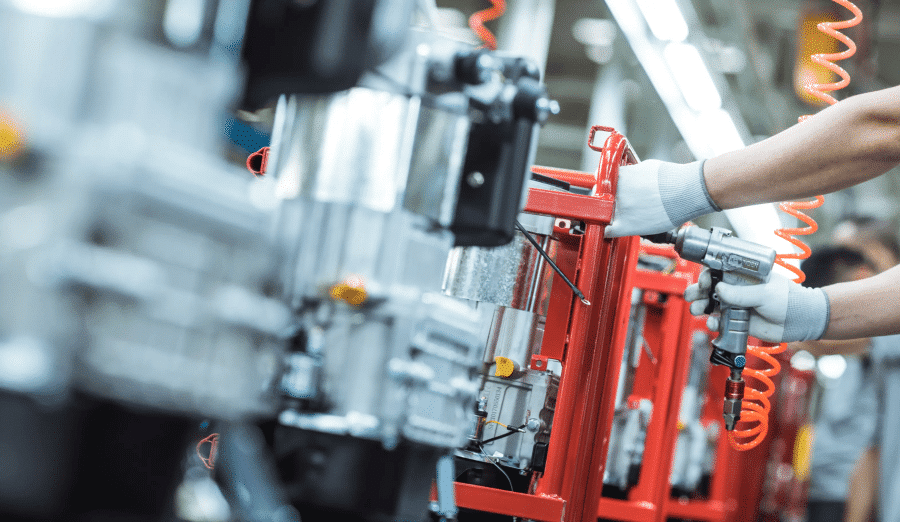
Then ask who builds the engine and how spare parts are supplied. Engine availability directly shapes your own after-sales workload.
Which Certificates and Project Cases Prove a Supplier’s Quality?
Certificates and verifiable project cases turn a supplier’s claims into evidence you can show your own customers.
Which certificates and test reports should a supplier provide?
Ask first for the documents your target market legally requires. For example, under EU Directive 2000/14/EC, outdoor equipment such as power generators must carry the CE marking and a guaranteed sound power level. An EC declaration of conformity must accompany the product.
Sound power is measured with the methods named in the directive, EN ISO 3744 and EN ISO 3746. Other regions set their own rules, so confirm the list with your importer before you order.
A practical document checklist:
- CE marking and declaration of conformity (for EU sales)
- Sound power level test report
- ISO 8528 performance test data
- Quality management system certificate
- Approvals required in your destination market
How do you read project cases and market references?
Judge a case by four elements: context, action, result and feedback. A reference that lacks measurable results is a story, not evidence.
- Context: What was the customer’s challenge?
- Action: What exactly did the supplier do?
- Result: Which quantitative data changed?
- Feedback: What did the customer say afterward?
How Do You Evaluate a Manufacturer Behind the Best Generator Brands, and Why Do OEM Buyers Choose FIRMAN?
The best generator brands combine verifiable production control with service that continues after delivery. Brand recognition alone does not show that.
What should you check in R&D, supply chain, quality control and after-sales support?
Check each area for a named process, not a general promise.
| Area | What to verify | Warning sign |
| R&D | In-house design and product development experience | No named design team or past projects |
| Supply chain | Managed upstream and downstream suppliers | Parts sourced without stated controls |
| Quality control | Inspection steps from components to finished goods | Only final-inspection claims |
| After-sales | Local service and clear support from order to destination | No service presence in your market |
How does FIRMAN meet these criteria?
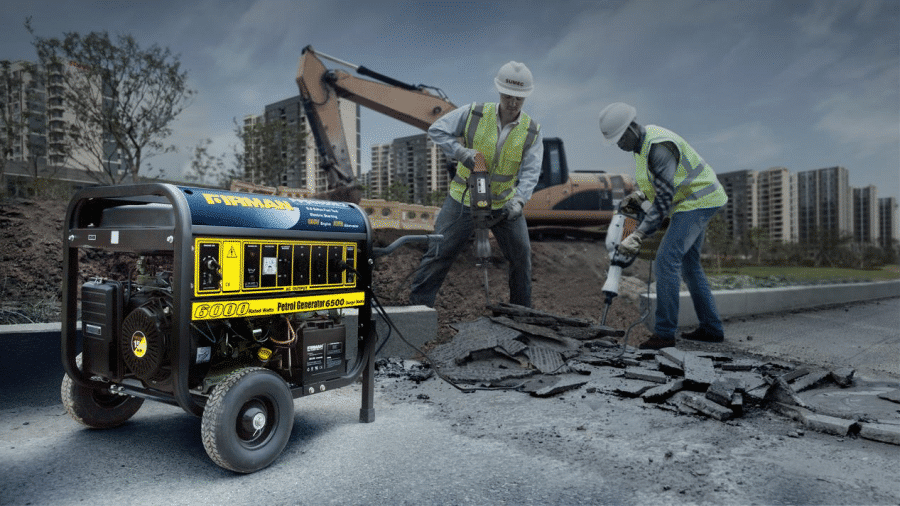
FIRMAN is an integrated technology, manufacturing and trading company with factory and OEM capabilities. FIRMAN is a generator brand established by SUMEC, which was founded in 1978 and is affiliated with SINOMACH. FIRMAN’s own brand history dates back to 2002.
The company’s petrol, diesel and dual-fuel generator range is complemented by engines, water pumps and energy storage products. Its market record gives buyers references to ask about:
- According to official Nigerian customs data, FIRMAN ranks as Nigeria’s No. 1 imported generator brand. With over 20 years of experience in overseas markets, FIRMAN also operates a service center in Nigeria.
- A leading position in North America through large supermarket channels
- A worldwide footprint, with the brand registered in 106 countries and regions and its products sold in more than 160 countries and regions
- Diesel generator sets that ranked first in domestic bidding value in 2025.
Conclusion: How Do You Choose the Right Generator Partner?
Choose the partner whose data, documents and production control you can verify. Sourcing the best quality generator is a checking exercise first and a pricing exercise second.
Before you commit to a bulk order, confirm four things:
- Rated power, starting power and performance class in writing
- Certificates and test reports for your destination market
- Project references with measurable results
- A manufacturer with proven production control and local service
To compare models against this checklist, browse FIRMAN’s generator catalogue.
Share


Where to Find Our Social Media
for the Latest Updates?
Follow us on Facebook and Instagram to stay updating more information on our latest promotion activities and news #SUMECFIRMANNG #FORQUALITYLIVING


What can we
help you find today?