Choosing the best generator brands requires more than comparing purchase prices or maximum power ratings. African importers need brands that fit local customer demand, operating conditions, import rules, fuel availability, and service expectations.
The right choice also varies by country. A generator range that sells well to urban households may not meet the needs of construction contractors, rural businesses, telecom operators, or industrial facilities.
Why Is Choosing the Right Generator Brand Important for African Importers?
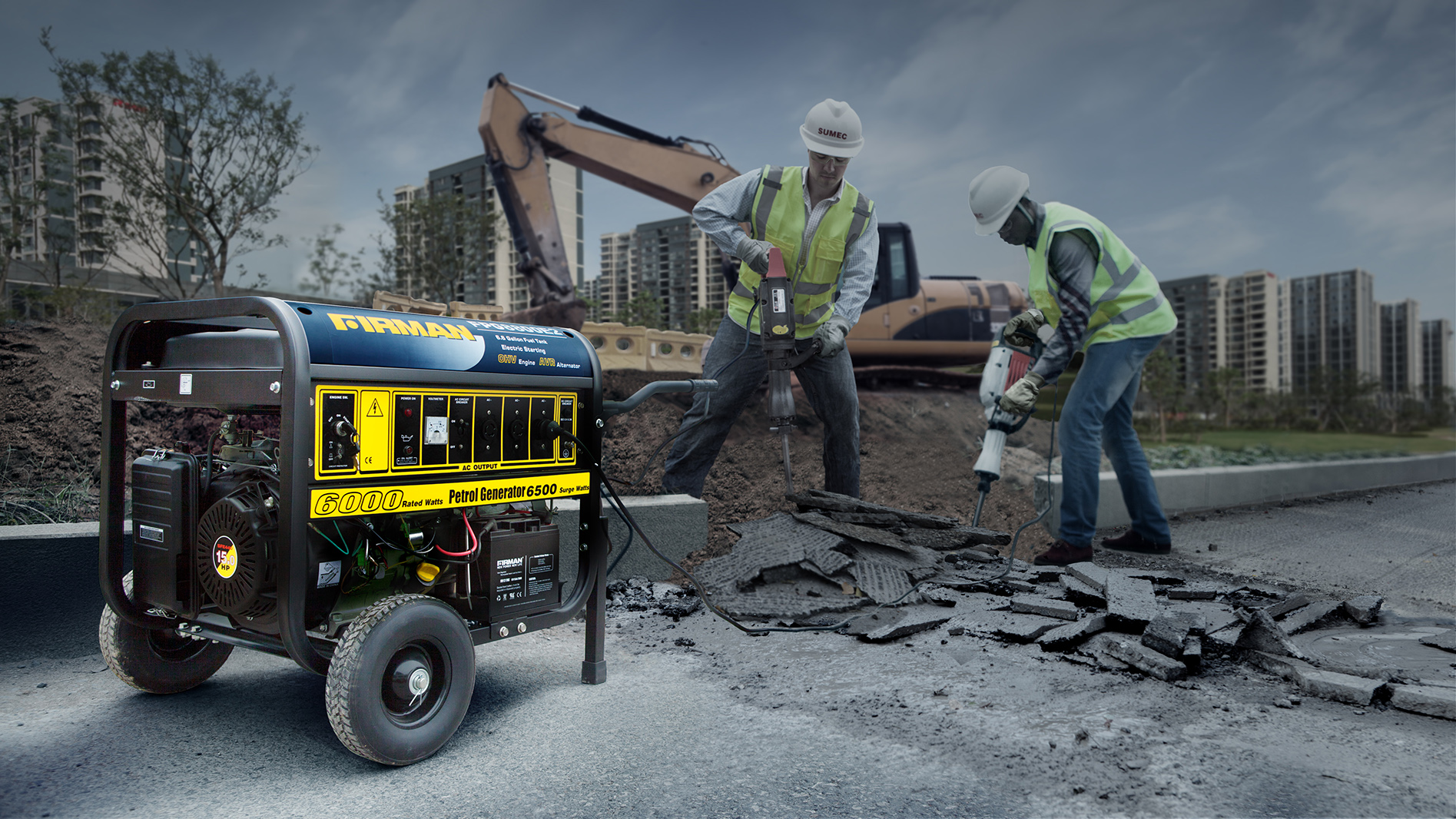
The right generator brand helps an importer reduce unsold inventory, warranty disputes, servicing problems, and reputational risk.
The International Energy Agency estimates that around 600 million people in sub-Saharan Africa lacked electricity access in 2024. However, that figure does not mean every market has the same demand.
| Market factor | Question for the importer | Commercial effect |
| Grid reliability | Is the generator for occasional backup or daily operation? | Determines expected runtime and fuel priorities |
| Customer segment | Are buyers households, retailers, contractors, or industrial users? | Influences capacity, portability, and price range |
| Fuel availability | Which fuels are affordable and widely distributed locally? | Affects operating cost and purchasing decisions |
| Operating environment | Will equipment face heat, dust, humidity, or high altitude? | Influences cooling, filtration, and maintenance needs |
An IFC study estimated that backup-generator output in sub-Saharan Africa accounted for about 9% of grid-supplied electricity. In Western Africa, the modeled ratio reached around 40%. Although the IFC findings were published in 2019, they illustrate the substantial role generators can play in markets with unreliable electricity.
Importers should therefore build a country-specific demand profile before selecting any supplier.
What Defines the Best Generator Brands for African Markets?
The strongest brands combine product-market fit, transparent technical information, consistent quality, and practical local support.
Importers can initially evaluate brands by asking five questions:
- Does the portfolio cover the target customer segments?
- Are power ratings and operating conditions clearly documented?
- Can replacement parts be sourced without long delays?
- Is there a defined warranty and claims process?
- Can customers verify that products and parts are genuine?
How Well Does the Brand Match Local Customers and Operating Conditions?
A suitable generator brand offers products that match how local customers actually use generators.
A residential buyer may prioritize portability, manageable fuel consumption, and straightforward operation. A workshop or construction contractor may place more weight on runtime, frame protection, starting capacity, and access to service parts.
Importers should also compare petrol, diesel, inverter, and multi-fuel options according to local fuel costs and customer budgets. Offering every possible configuration is not always necessary. A focused range built around identifiable buyer groups usually makes inventory planning easier.
Climate matters as well. Importers serving hot, dusty, humid, or high-altitude regions should ask how the manufacturer tests equipment for those conditions and whether maintenance guidance addresses the local environment.
Does the Manufacturer Provide Clear Technical and Quality Documentation?
Reliable manufacturers should provide enough technical information for importers to compare products on equal terms.
Useful documentation should distinguish running output from starting output. It should also state voltage, frequency, phase, power factor, runtime at a defined load, fuel-tank capacity, noise-measurement distance, weight, and dimensions.
The ISO 8528-1 standard defines classifications covering generator-set applications, ratings, and performance. Importers can use the ISO 8528 framework when asking manufacturers how ratings were determined and which test conditions were applied.
Unclear units, unexplained test results, or inconsistent specification sheets are warning signs. These problems can lead to incorrect customer expectations and a higher return rate.
Can the Brand Support Maintenance, Spare Parts, and Product Authentication?
A suitable generator brand should help the importer maintain products after the initial sale.
Before placing an order, importers should request parts lists, maintenance schedules, manuals, troubleshooting information, and written warranty procedures. The supplier should also explain how technicians obtain repair guidance and how warranty claims are documented.
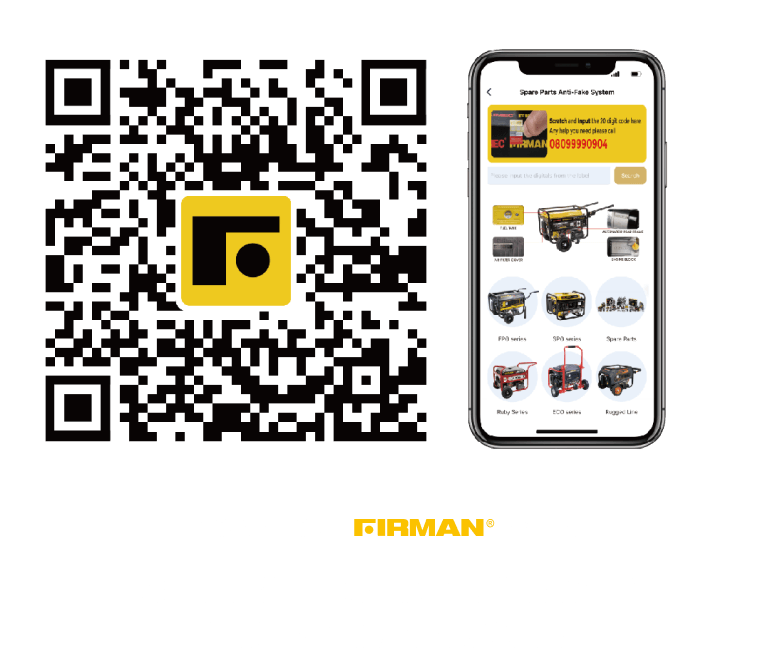
Product authentication is equally important in markets where counterfeit generators or spare parts may appear. Verification labels, traceable serial numbers, engraved components, and authorized sales channels can help distributors protect customer confidence.
How Should Importers Compare Power Equipment Manufacturers?
Importers should compare power equipment manufacturers through documented evidence rather than promotional language.
| Evaluation area | Evidence to request | Warning sign |
| Manufacturing quality | Inspection records, test procedures, and quality-system information | General quality claims without supporting documents |
| Technical accuracy | Consistent ratings, manuals, and test conditions | Different figures across catalogs and quotations |
| Service readiness | Parts lists, service contacts, and claims procedures | No clear responsibility after delivery |
| Commercial reliability | Written pricing, lead times, packaging, and shipment terms | Important terms confirmed only verbally |
What Evidence Demonstrates Consistent Manufacturing Quality?
Consistent manufacturing quality is demonstrated through repeatable testing and inspection processes.
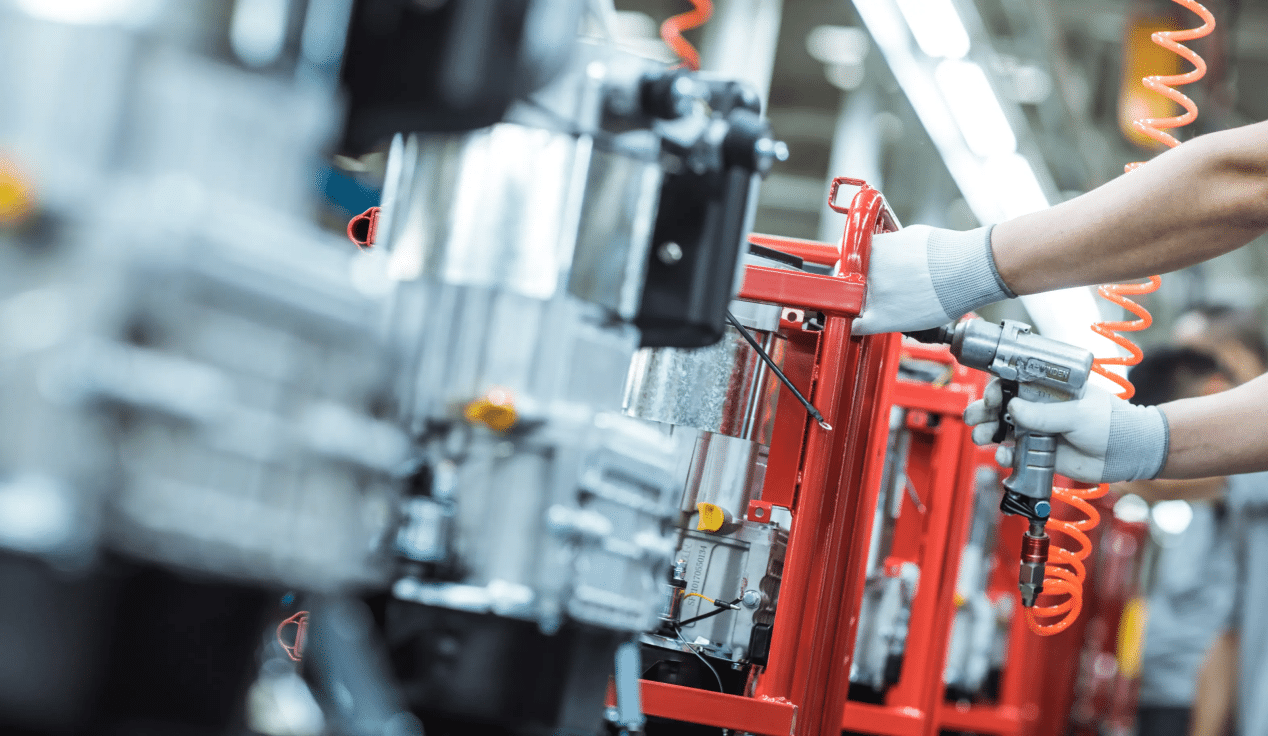
Importers can ask how incoming components, completed generator sets, and packed shipments are inspected. A pre-shipment inspection can then confirm the ordered configuration, labeling, accessories, quantity, packaging, and visible condition.
Sample evaluation is also useful before a large order. Testing a smaller batch under realistic local loads can reveal whether the documentation, operating behavior, and maintenance requirements match market expectations.
How Should Importers Compare Landed Cost and Long-Term Ownership Cost?
Importers should compare total commercial exposure, not just the factory price.
A realistic calculation includes:
Product cost + certification + inspection + freight + insurance + duties + inland transport + spare-parts inventory + expected warranty cost
Fuel consumption, maintenance frequency, and parts availability also affect the customer’s ownership cost. A lower purchase price can lose its advantage if the importer must replace complete assemblies because basic components are unavailable.
What Commercial and Compliance Risks Should Importers Check?
Importers should verify regulatory and contractual requirements before production or shipment begins.
A practical pre-order process includes:
- Confirm the destination-country requirements. Identify applicable standards, labeling rules, certificates, and customs documents for the exact generator category.
- Verify certification before shipment. Nigeria’s SONCAP program uses pre-shipment conformity assessment for SON-regulated imported products.
- Check country-specific procedures. Kenya’s Pre-Export Verification of Conformity program requires conformity documentation for cargo clearance.
- Put commercial terms in writing. Confirm lead time, payment terms, inspection rights, packaging, spare parts, warranty responsibilities, and defective-product handling.
- Begin with a controlled shipment. A smaller initial order allows the importer to evaluate customs clearance, product acceptance, and service demand before expanding inventory.
Regulations can change, so importers should check the relevant standards authority or customs agency for each shipment rather than relying on requirements used for another country.
These criteria provide a practical framework for evaluating generator suppliers. When applied to FIRMAN, several aspects of its product portfolio and African market presence stand out.
What Makes FIRMAN Relevant to African Generator Importers?
For African generator importers, supplier relevance depends not only on the product range but also on local distribution, service support, and long-term market presence. FIRMAN power equipment solutions are relevant because the brand combines a broad generator portfolio with documented distribution and service activity in Africa.
Key brand-level factors include:
- Generator categories for different fuels, capacities, and operating scenarios
- An established company and after-sales presence in Nigeria
- Distribution, brand-store, and workshop development in African markets
- Product and spare-parts authentication measures
What Market Presence and Service Support Does FIRMAN Have in Africa?
FIRMAN documents a long-term effort to develop its African sales and support channels.
The company states that it established a Nigerian overseas company and after-sales center in 2019. Its brand history also reports that FIRMAN's African BAS channel, which includes service centers, brand stores, and after-sales shops, had expanded to more than 150 locations by 2023.
FIRMAN’s African after-sales service information also refers to accredited distributors and workshops. For importers, this existing presence may support customer confidence, although local service coverage should still be confirmed for the specific target country.
How Can FIRMAN Help Importers Serve Different Buyer Groups?
FIRMAN’s broad portfolio allows importers to select generator categories around different customer profiles without relying on a single configuration.
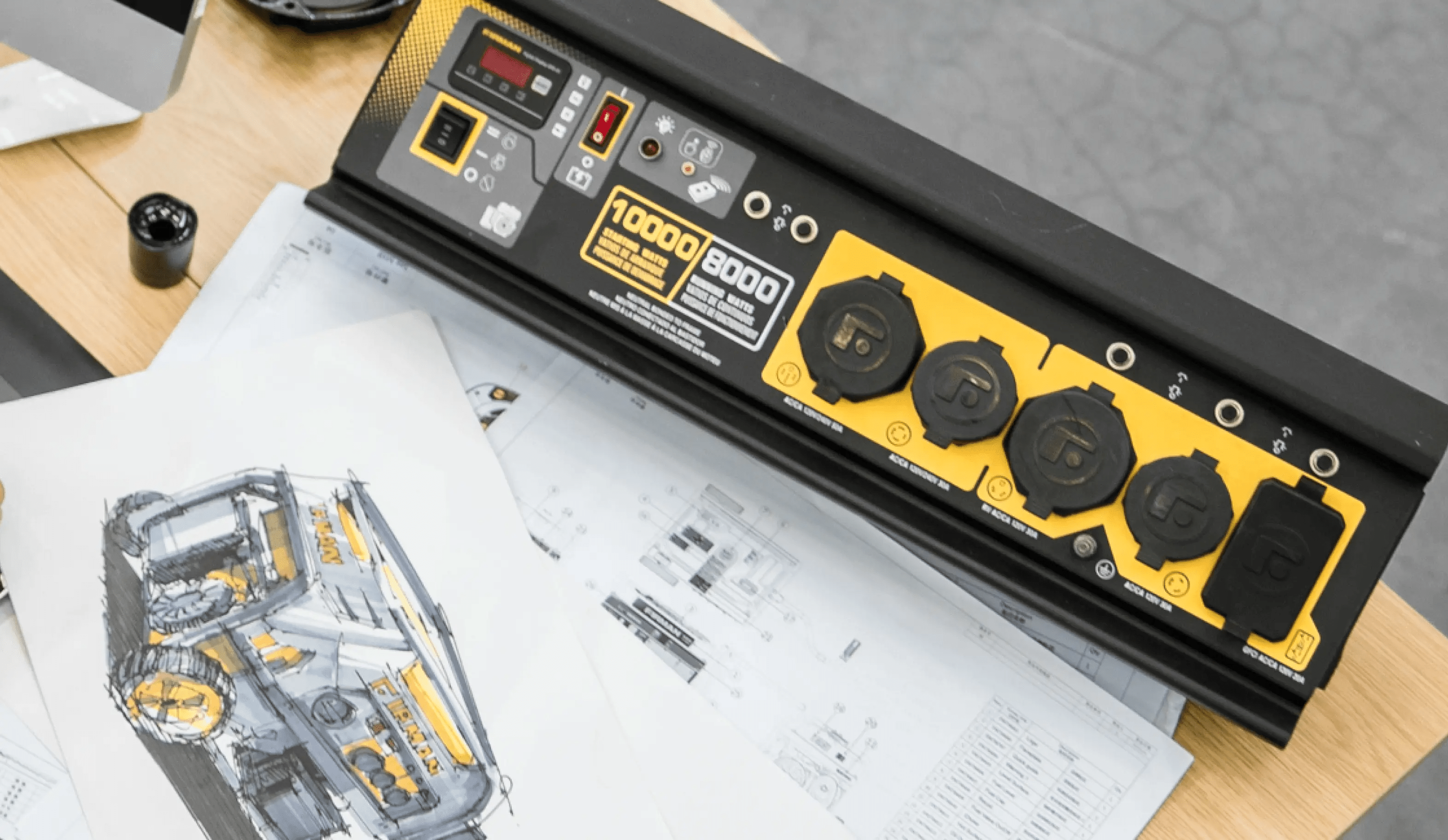
The official FIRMAN power machinery portfolio includes petrol, diesel, inverter, and dual-fuel generator categories, along with different starting and frame configurations. This breadth can help distributors build separate offers for households, small businesses, contractors, and commercial users.
FIRMAN also provides authentication guidance for generators and spare parts. That system can help importers distinguish official products from imitations and direct customers toward recognized sales and service channels.
Conclusion
The best generator brands for African importers are the brands that fit a clearly defined local market and remain supportable after the sale.
Before committing to a supplier, importers should:
- Map customer groups and operating conditions
- Verify technical ratings and manufacturing evidence
- Calculate landed and long-term ownership costs
- Confirm compliance, service, and warranty responsibilities
- Test the partnership through a controlled initial order
FIRMAN offers African importers a broad generator portfolio, documented regional experience, service-channel development, and product-authentication measures. The final decision should still be based on country-specific demand, verified commercial terms, and the importer’s ability to support customers throughout the generator’s working life.
Share


Where to Find Our Social Media
for the Latest Updates?
Follow us on Facebook and Instagram to stay updating more information on our latest promotion activities and news #SUMECFIRMANNG #FORQUALITYLIVING


What can we
help you find today?