Importing generators into African markets involves more than choosing a familiar brand or comparing purchase prices. Buyers need to assess whether a supplier can match local applications, support consistent supply, provide suitable OEM services, and reduce problems after the equipment reaches the market.
For distributors, contractors, and commercial buyers, the most useful way to compare top generator brands is therefore to look beyond brand visibility. A structured supplier assessment should cover products quality, application fit, manufacturing capability, market compatibility, after-sales support, and long-term cooperation.
What Factors Matter Most When Choosing a Generator Supplier?
African buyers should evaluate generator suppliers according to actual application requirements, supply capability, and long-term service rather than relying on brand recognition alone.
A practical comparison can begin with five questions:
- What applications will the generators serve?
- Can the supplier support the required order volume consistently?
- Are suitable configurations available for the destination market?
- What support is available for parts, warranty, and service?
- Can the supplier support branding or specification changes when required?
These questions provide a more useful basis for comparing power equipment manufacturers than a simple list of well-known names.
Which Supplier Criteria Matter Beyond Brand Recognition?
A supplier assessment should cover product fit, manufacturing support, order consistency, communication, and after-sales capability.
Brand awareness may help buyers create an initial shortlist, but it does not automatically show whether a supplier fits a particular import project. For example, a distributor serving household users may have different requirements from a contractor purchasing equipment for construction sites.
Buyers should therefore compare suppliers using measurable procurement criteria. These can include product range, order requirements, configuration options, production coordination, documentation, spare-parts availability, warranty procedures, and responsiveness during the purchasing process.
Price also needs context. A lower quotation may not represent a lower overall purchasing cost if parts support, packaging, documentation, or local compatibility require additional work later.
How Do Home, Construction, and Commercial Buyers Prioritize Different Factors?
Home, construction, and commercial buyers should prioritize different purchasing factors because operating conditions, usage patterns, and service expectations are not the same.
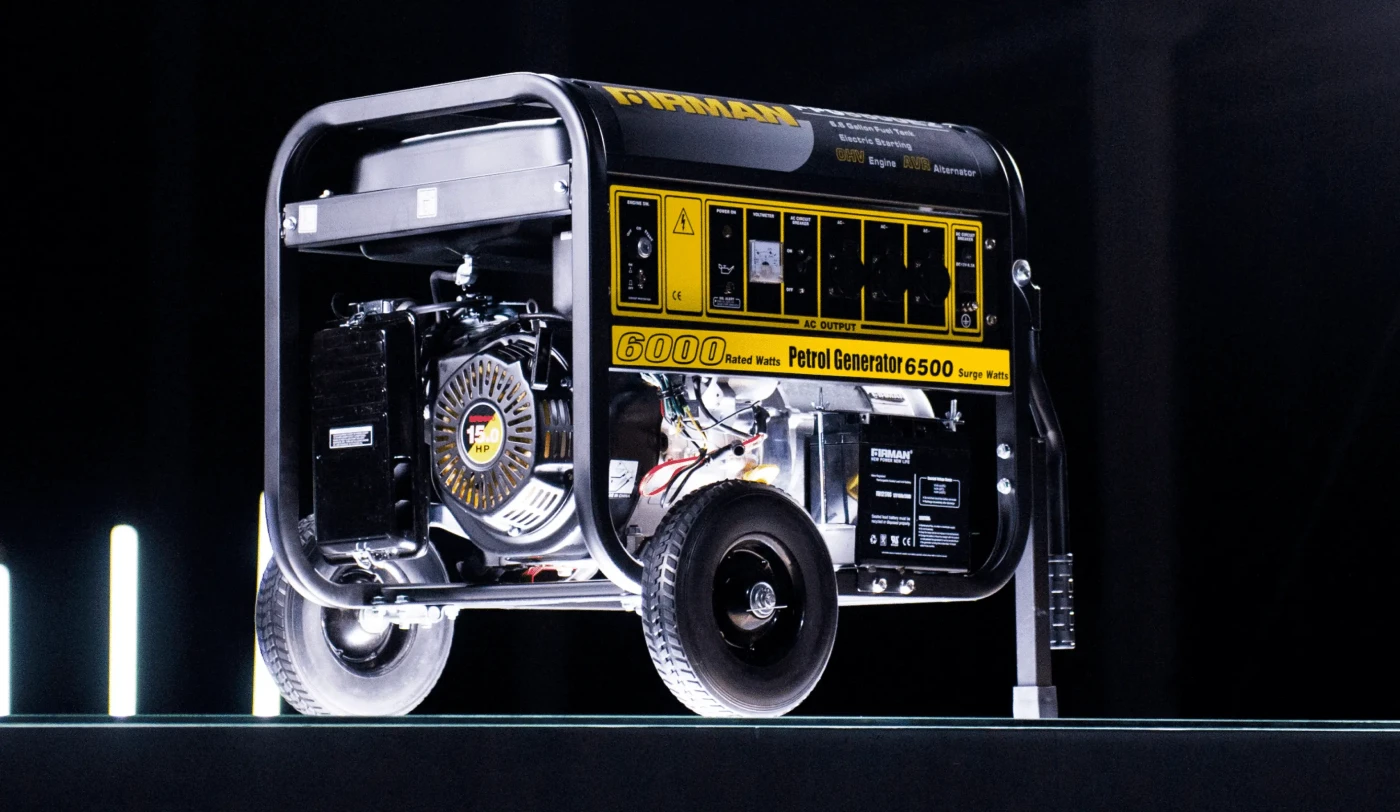
FIRMAN offers product options for different demand levels, including the SDG50FS, FIG5880, and WT08500. Their different application ranges illustrate why buyers should match the generator category to the intended users.
| Application Scenario | FIRMAN Product Line | Why It Fits the Application |
| Home Use | FIG/ECO Series | The FIG Series focuses on compact size, portability, low-noise operation, fuel efficiency, and clean power output, making it suitable for household backup and everyday portable power needs. FIG5880 is a typical model for this use case. ECO series is a semi-silente series with a easy-carry moving design. |
| Construction Power | SPG/ SDG Series | The SDG Series provides diesel generator options for job-site power, with features such as low-noise designs, digital control, and configurations suited to different operating environments. It is a practical choice where stable power supply and regular site use are important. For example, SDG50FS is designed for construction and backup-power applications. SPG series is the portable gasoline generators, can carry tools on the small construction site with moving kits. |
| Small-Shop Commercial Use | WT08500/ SDG5000SE/SDG12000SE | WT08500 supports gasoline, liquefied petroleum gas (LPG), and natural gas (NG), giving small commercial users flexibility based on local fuel availability. It also features a soundproof enclosure, 69 dB(A) rated noise level, and inverter-based operation for backup applications. This makes WT08500 a relevant option for small-shop backup power. SDG5000SE 5KW or SDG12000SE 6KW are also silent diesel generators 62dB(A) providing high quality output. |
For importers, product selection should therefore begin with customer demand rather than a model number. A portfolio serving several market segments may require different generator types instead of one configuration for every application.
How Can You Evaluate a Generator Manufacturer's Factory and OEM Capabilities?
Buyers should examine whether a manufacturer can repeatedly deliver the required specification, quantity, and customization rather than judging factory capability only by production scale.
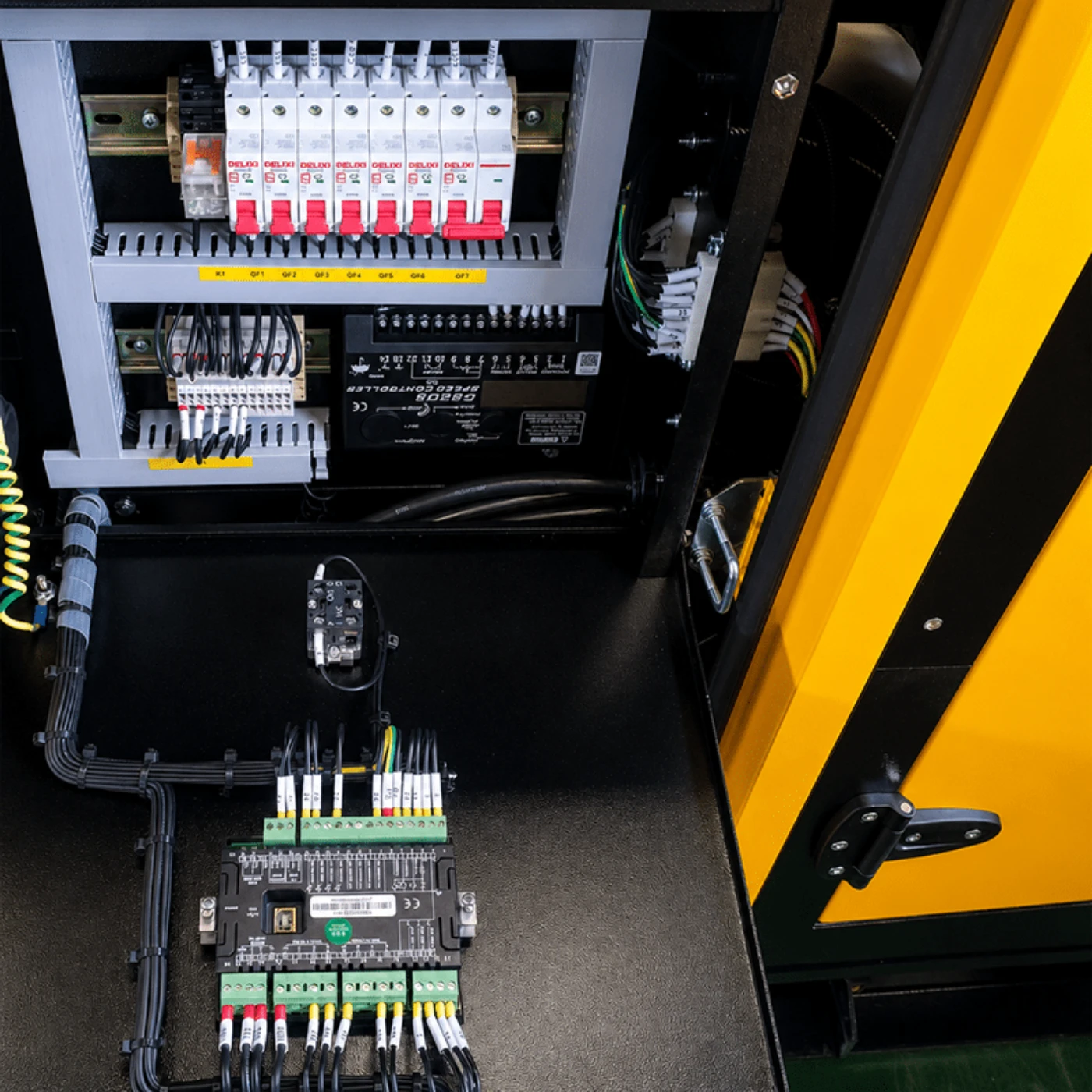
A useful factory assessment can cover:
- R&D capabilities
- Manufacturing and assembly capabilities
- Quality-management procedures
- Order and production coordination
- OEM customization processes
- Packaging and shipment preparation
- Spare-parts and after-sales arrangements
The objective is not to make the purchasing process unnecessarily technical. It is to determine whether the supplier can support repeat orders without creating avoidable differences between batches.
What Should You Verify During a Factory or Supplier Assessment?
Buyers should verify the parts of the manufacturing process that directly affect order consistency and delivery.
During a supplier assessment, importers can ask how specifications are confirmed before production, how changes are recorded, how finished units are checked, and how shipment documentation is prepared.
For OEM orders, buyers should also clarify who approves branding, labels, packaging, manuals, and configuration requirements. Written confirmation is especially useful because it reduces misunderstandings between quotation, production, and final delivery.
How Can You Judge Whether a Supplier Is Reliable for Long-Term Cooperation?
Long-term reliability is best judged by whether the supplier can support repeat procurement with clear processes and consistent communication.
A single successful order does not answer every question. Distributors should also consider how the supplier manages repeat orders, specification updates, parts requirements, warranty communication, and future market expansion.
This is particularly relevant for African importers building dealer networks. A supplier relationship becomes more valuable when purchasing, service, and replacement-parts planning can continue after the first shipment.
What Import Requirements Should African Buyers Confirm Before Placing an Order?
Buyers should confirm market compatibility and after-sales arrangements before finalizing an import order.
A pre-order checklist can include:
- Destination country and intended application
- Required electrical configuration
- Quantity and packaging requirements
- Manuals and labeling
- Spare-parts planning
- Warranty procedures
- Shipping documentation
- OEM requirements, if applicable
Confirming these points before production can prevent changes late in the purchasing process.
How Should You Check Voltage, Frequency, and Market Compatibility?
Electrical configuration should be checked against the actual requirements of the destination country and intended equipment before an order is confirmed.
African markets do not represent one uniform technical environment. Importers should therefore avoid assuming that a configuration suitable for one country or customer group will automatically suit another.
The purchasing team should provide the required configuration to the manufacturer and obtain written confirmation for the ordered units. Where local regulations, certification, or import documentation apply, those requirements should also be checked for the specific destination market.
What Should You Ask About Packaging, Spare Parts, Warranty, and After-Sales Support?
Importers should clarify after-sales responsibilities before shipment rather than waiting until equipment is already in the market.
Important questions include who handles warranty communication, which parts can be supplied separately, how replacement parts are identified, and what technical or service information is available to distributors.
Packaging also matters in an import project because generators may pass through several logistics stages before reaching the final customer. Buyers should therefore confirm packaging arrangements as part of the order specification rather than treating them as an afterthought.
How Does FIRMAN Support Importers and OEM Buyers?
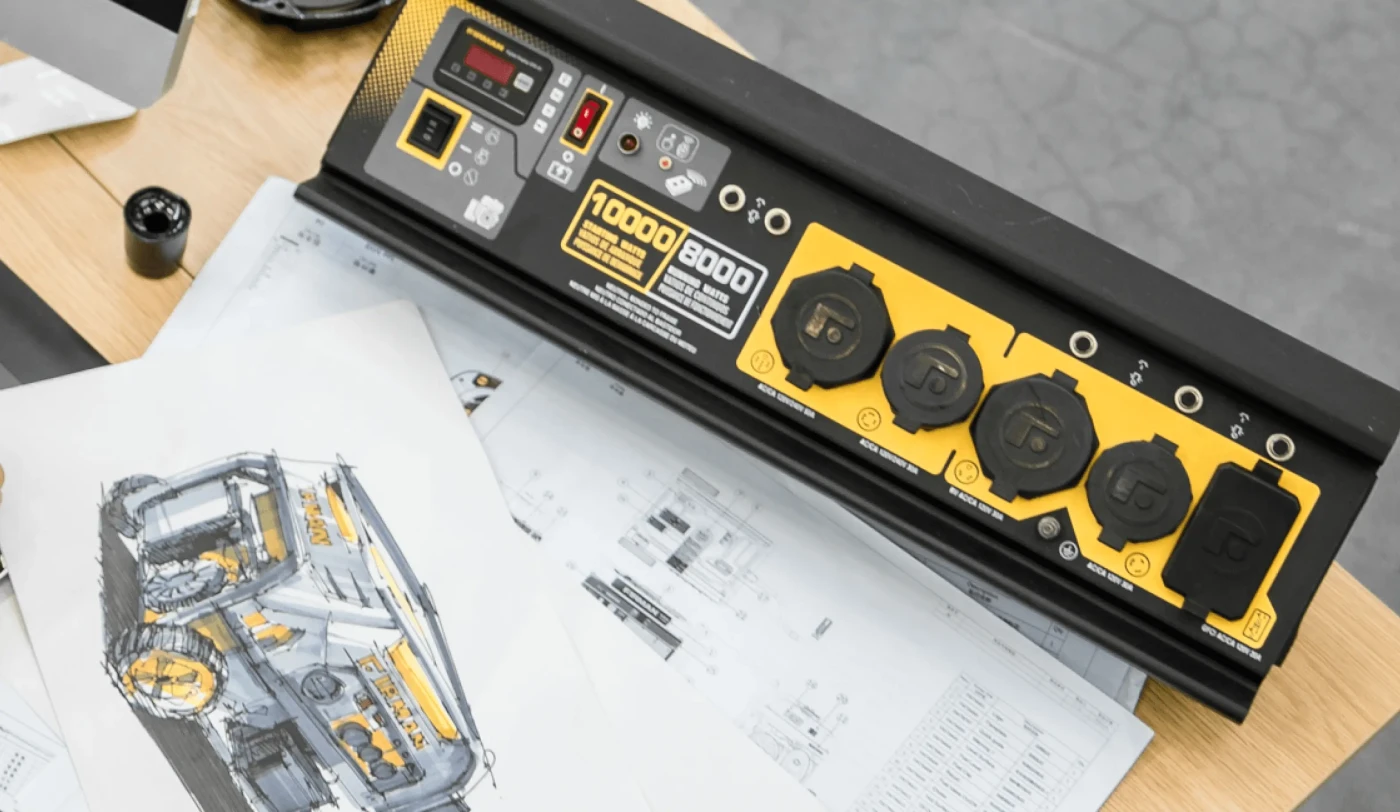
FIRMAN can be assessed as an integrated manufacturing and trade partner rather than only as a source of individual generator models.
For buyers comparing FIRMAN's generator and power-equipment offering, the relevant question is how the company's manufacturing, trade, and OEM capabilities fit the importer's purchasing model.
Key evaluation areas include:
- Product portfolio alignment
- Manufacturing coordination
- OEM requirements
- Packaging and branding
- Repeat-order support
- Spare-parts planning
- Communication throughout the order process
What Should Buyers Look for in an Integrated Manufacturing and Trade Partner?
An integrated supplier should help connect product selection, manufacturing, order execution, and international trade requirements within one procurement process.
For importers, this can simplify communication because technical requirements and commercial requirements need to remain aligned from quotation through shipment.
However, buyers should still evaluate each project independently. Order quantity, configuration, customization, destination requirements, and service expectations should all be confirmed rather than assumed from the supplier's general capabilities.
How Can OEM Capability Support Local Market Requirements?
OEM capability can help distributors adapt an offering to their market when branding, packaging, documentation, or configuration requirements differ.
Before approving an OEM order, buyers should define which elements require customization and which should remain standard. They should also confirm approval procedures, production requirements, and any effect customization may have on ordering or delivery arrangements.
A clear OEM specification gives both buyer and manufacturer a common reference throughout the project.
Conclusion: Choose a Generator Supplier Based on Fit, Reliability, and Import Readiness
The most useful way to evaluate top generator brands is to compare how well each supplier fits the buyer's market, procurement model, and long-term service requirements.
African importers should first identify whether they are serving home, construction, commercial, or multiple customer groups. They can then assess manufacturing capability, OEM support, market compatibility, spare-parts planning, warranty procedures, and repeat-order support.
For companies comparing power equipment manufacturers, this approach provides a more objective purchasing framework than relying on brand recognition alone. FIRMAN can be evaluated within the same framework, with buyers reviewing its product lines, factory and OEM capabilities, and import support against their own market requirements.
The final decision should therefore be based on documented requirements and supplier fit. That makes it easier to build a generator portfolio that can be supported not only at the time of purchase, but also after the equipment enters the local market.
Where to Find Our Social Media
for the Latest Updates?
Follow us on Facebook and Instagram to stay updating more information on our latest promotion activities and news #SUMECFIRMANNG #FORQUALITYLIVING


What can we
help you find today?