A generator that runs the lights and television may still struggle when the refrigerator compressor starts or a water pump switches on. For households in African markets, this difference matters because backup power may need to support several essential appliances during lengthy electricity interruptions.
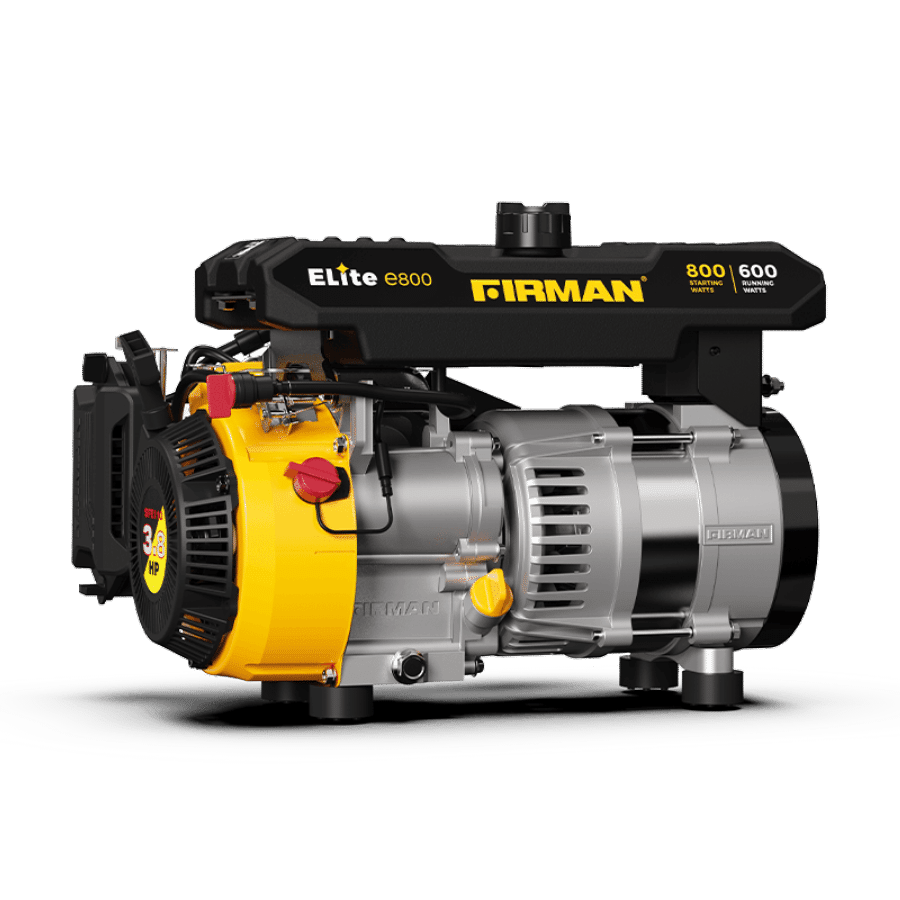
Choosing the right capacity starts with understanding what your home will actually use, not estimating power requirements from the number of bedrooms. We recommend calculating the load first, then comparing generator ratings against that result.
Your Appliance List Reveals the Power You Need
Two homes of similar size can have very different electricity requirements. One may use lighting, fans, a television, and a refrigerator. Another may also operate air conditioners, electric cooking equipment, a borehole pump, and several freezers.
Make a list of the appliances you expect to run simultaneously during an outage. Record their rated wattage from the nameplates or manufacturer documentation. Include essential equipment first, then add optional loads to understand how much additional capacity you would need for greater convenience.
Our generator product catalogue includes portable petrol generators, inverter generators, and larger diesel models with different power ratings. That range makes it important to calculate your requirements before narrowing down the options.
Running Watts Tell Only Half the Story
Generator sizing involves two separate figures: running watts and starting watts. Running watts represent the continuous power required by an appliance. Starting watts account for the temporary surge some motors and compressors need when switching on.
A refrigerator, air conditioner, or water pump can require considerably more power during startup than during normal operation. Ignoring this surge can cause a generator to struggle even when its advertised running capacity appears sufficient.
Use this practical calculation:
- Add the running watts of every appliance you plan to operate together.
- Identify the appliance with the largest additional starting requirement.
- Add that additional requirement to the combined running load.
Allow a reasonable reserve for changing loads and avoid operating continuously at the generator's maximum rating.
For example, suppose your selected appliances require 2,000 running watts in total, and one motor needs an additional 800 watts to start. The estimated peak requirement is 2,800 watts, assuming the other appliances are already operating. You would then compare this requirement with both the generator's running and starting ratings.
A generator wattage calculator can simplify the arithmetic and help organize appliance loads. However, accurate results still depend on entering the correct figures. Our buying guide provides a step-by-step method for listing appliances and adding their starting and running requirements.
Which Firman Models Match Your Calculated Load?
Once you know your estimated load, compare it with the published specifications of individual models. The following Firman examples illustrate how different capacities may fit different household requirements.
- SPG3000: Listed with 2,500 running watts and 2,800 starting watts. It may suit a modest essential-appliance load if the calculated demand stays within both ratings.
- FIG5880: Listed with 3,500 running watts and 6,000 starting watts. This offers more continuous capacity for households with a larger combination of appliances.
- ECO12990ES: Listed with 8,000 running watts and 8,300 starting watts. Its higher running output may suit more demanding loads, subject to the household's actual requirements.
- SPS15000SE: Listed with 10,000 running watts and 12,000 starting watts. It is an option to evaluate for substantial household demand rather than a small essential-load setup.
These ratings come from the official product catalogue. They are examples, not guarantees that a particular model will run every appliance in a given home. The correct choice depends on the combined load, startup requirements, and the exact product specifications.
For whole-house backup, a qualified electrician should assess the circuits and equipment you want to support. Homes with several air conditioners, electric water heaters, or cooking appliances may require a more detailed load assessment than a basic portable-generator calculation.
How African Homes Change the Sizing Equation
In many African households, the generator must support more than lights and entertainment equipment. Refrigeration can be essential for preserving food, while borehole and booster pumps may be needed for domestic water supply. In hot climates, fans and air conditioners can add substantial electrical demand.
Prioritize essential circuits if your budget or available generator capacity is limited. Running a refrigerator, selected lights, communications equipment, and a necessary pump may be more practical than attempting to power every appliance simultaneously.
Fuel costs deserve attention, too. A larger generator is not automatically the most economical choice, especially if it operates for many hours at a light load. Compare documented fuel-consumption figures at relevant loads, local petrol or diesel prices, and the expected duration of outages.
For households facing frequent interruptions, the right capacity should balance dependable power delivery with manageable operating costs. A generator wattage calculator helps establish the electrical requirement, but it cannot independently determine fuel economy or local product availability.
Sizing Errors That Can Leave Appliances Without Power
Adding every appliance's running watts without considering startup demand can underestimate the required capacity. Conversely, adding every possible appliance as though it must operate simultaneously can result in unnecessary oversizing.
Check the actual ratings of motor-driven equipment instead of relying entirely on generic online estimates. If several large appliances may start together, discuss their combined demands with a qualified installer.
Never exceed the generator's specified output. It is strictly forbidden to connect the generator output to the residential wall socket to back-feed electricity to the household circuit. If you need to supply power to the residential circuit, a qualified electrician shall install appropriate power conversion and isolation devices. Operate portable generators outdoors, away from doors, windows, and air intakes, because engine exhaust contains dangerous carbon monoxide.
What Keeps Your Generator Dependable Over Time?
Correct sizing is only part of long-term reliability. Regular generator maintenance helps keep the engine and electrical system in suitable operating condition. Follow the owner's manual for oil checks, air-filter inspections, servicing intervals, and storage procedures.
Dusty environments and frequent operation can make timely inspections particularly important. Before buying, also check local service support, spare-parts availability, and warranty terms. These factors can affect the total cost of ownership, especially in rural areas where repair facilities may be farther away.
At Firman, we encourage buyers to confirm the exact model ratings and consult an authorised distributor when household loads are complex. Proper generator maintenance, combined with sensible load management, helps protect your investment and maintain dependable backup power.
The right generator size is determined by your appliances, their starting demands, and the loads you need to operate together. Calculate those requirements first, compare them with verified running and starting ratings, and select a model with suitable capacity rather than guessing from house size alone.
What can we
help you find today?