African power grids frequently experience extended blackouts, leaving property owners scrambling for reliable energy solutions. Navigating the crowded power equipment market requires shifting focus away from shiny marketing brochures. Homeowners must instead examine their daily electrical routines and regional infrastructure limitations. Understanding exactly how to choose a home generator prevents costly overcapitalization or buying an underpowered machine.
Making an incorrect purchase often results in massive fuel bills and burned-out appliances. Before visiting a dealer, consider these five questions to better understand your home’s backup power needs.
Question One: Which Specific Circuits Demand Uninterrupted Power?
Sizing your electrical requirements properly represents the absolute foundation of any reliable backup system. Buyers frequently make the critical mistake of trying to power their entire property simultaneously during an outage. Running empty corridors, unused air conditioners, and exterior perimeter lighting drains fuel reserves rapidly without providing real comfort.
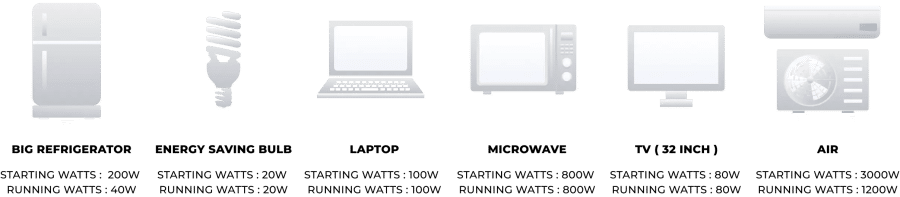
Calculate your realistic load by listing essential household devices like refrigerators, water pumps, and security systems. Every single electrical motor possesses two distinctly different power ratings: continuous running watts and maximum starting watts. Compressors inside deep freezers require massive starting surges that easily trip undersized equipment breakers.
Adding up these peak surges accurately dictates the true capacity your equipment must deliver seamlessly. Undersizing remains the most frequent error our field technicians see across West African residential estates.
Question Two: What Are Your Local Fuel Realities?
Fuel availability fluctuates unpredictably across many major African municipalities and suburban districts. Relying exclusively on one energy source leaves households dangerously vulnerable during sudden national supply chain disruptions. Scarcity drives up pump prices, making single-fuel operation financially punishing during prolonged grid collapses.
Modern equipment design provides excellent flexibility through advanced dual-fuel technology platforms. Operating on liquefied petroleum gas offers distinct, highly measurable advantages over standard premium motor spirit. Propane cylinders store safely indefinitely without degrading or clogging delicate internal carburetor passages during quiet months.
Switching instantly between gas and petrol ensures your household never loses power during localized shortages. Property managers evaluating how to choose a home generator must heavily weigh this multi-fuel resilience. Investing in flexible fuel inputs guarantees operational continuity regardless of regional logistical failures.
Running heavy equipment on gas also significantly reduces toxic carbon emissions around residential compounds. LPG combustion produces fewer deposits and less fouling in the combustion chamber. However, LPG engines generally require higher ignition voltage and operate at higher combustion temperatures, which can accelerate spark plug electrode wear. Users should follow the LPG-specific spark plug replacement interval rather than assuming extended service life. Versatile fueling options ultimately provide absolute peace of mind when utility infrastructure fails completely.
Question Three: Do You Operate Sensitive Microprocessors?
Contemporary African homes run heavily on delicate printed circuit boards and expensive microprocessors. Smart televisions, optical communication routers, and inverter-driven air conditioners require exceptionally clean electrical input. Conventional power equipment sometimes produces erratic voltage spikes that systematically destroy these fragile electronic components.
Total harmonic distortion measures the stability of the alternating electrical wave produced by your equipment. Protecting expensive digital assets requires power delivery matching the exact quality of a stable municipal utility. High distortion levels cause screens to flicker, servers to reboot unexpectedly, and compressors to overheat severely.
Supplying pure sine wave electricity can help reduce the risk of power-related hardware failures and costly repairs or replacements. Inverter architecture can reduce total harmonic distortion to levels that are less likely to stress sensitive electronics; however, no THD figure guarantees compatibility with every connected device. Verify the input tolerance of critical equipment and the generator’s published THD at your expected load. Quiet operation combined with electronic safety makes these models ideal for densely populated residential estates.
Question Four: Can Local Technicians Execute Proper Upkeep?
Mechanical longevity depends entirely upon strictly adhering to manufacturer scheduled service intervals. Running heavy machinery constantly during intense load shedding accelerates internal component wear significantly. Ignoring scheduled generator maintenance inevitably leads to catastrophic engine failure just when you need emergency power most.
Finding qualified mechanics who understand complex portable power systems can prove challenging in suburban areas. Sourcing proprietary replacement components from overseas often creates weeks of frustrating darkness. Basic service items like air filters, spark plugs, and synthetic lubricants must be readily available locally.
Executing proper generator maintenance requires logically placed drain plugs and easily accessible engine bays. Changing the oil after the initial twenty-five hours of operation removes microscopic metal shavings from the crankcase. Simple, straightforward servicing procedures empower local technicians to keep your power plant running flawlessly for years.
Question Five: Does Your Capital Outlay Match The Outage Frequency?
Financial planning must accurately reflect your specific regional power instability patterns before any purchase. Rural properties facing weekly multi-day blackouts justify larger investments in heavy-duty continuous power solutions. Suburban homes experiencing only occasional afternoon shedding require entirely different, highly targeted budget allocations.
Buying massive industrial-grade standby plants for intermittent residential use locks up critical capital unnecessarily. Mid-range portable models deliver excellent watt-per-dollar performance without requiring expensive civil engineering modifications. Their compact design and ease of movement provide greater flexibility for temporary power needs and different locations around the property.
Figuring out exactly how to choose a home generator involves striking a perfect balance between capability and budget. Matching your initial capital expenditure directly against your actual emergency power needs maximizes return on investment. Smart buyers prioritize agile, fuel-efficient machines over unnecessarily massive stationary units.
Securing Your Household Energy Future
Navigating the complexities of African backup power requires careful calculation rather than emotional purchasing. Answering these five operational questions clarifies your exact technical requirements and infrastructural limitations. Rigorous planning guarantees your family stays safe, comfortable, and highly productive during unpredictable municipal power failures.
Long-term reliability ultimately depends on matching robust machinery with consistent generator maintenance protocols. Firman positions its generators around durability for demanding environments, and the brand has a substantial installed base in parts of Africa. Buyers evaluating long-term reliability should review the specific model’s warranty terms, local service availability, and spare-parts supply chain rather than relying on general brand claims. Your property deserves a thoroughly engineered energy solution designed specifically for absolute grid resilience.
What can we
help you find today?