Buyers should evaluate power equipment manufacturers based on factors such as product variety, engineering dependability, local support, compliance, and total lifecycle cost, in addition to purchase price.
When utility grids experience frequent load shedding across industrial zones in Johannesburg or sudden power dips disrupt facilities in Accra, operational continuity depends on a reliable supply network.
Equipment used in demanding operating environments must be selected for the site conditions and expected load. Procurement teams should therefore look for manufacturers that offer durable systems suited to the electrical and environmental demands of the intended application.
What Should a Reliable Power Equipment Manufacturer Offer?
Managing multiple vendors for stationary sets and auxiliary equipment can create administrative challenges for growing businesses. Established power equipment manufacturers simplify sourcing with a broader range of power solutions from one provider.
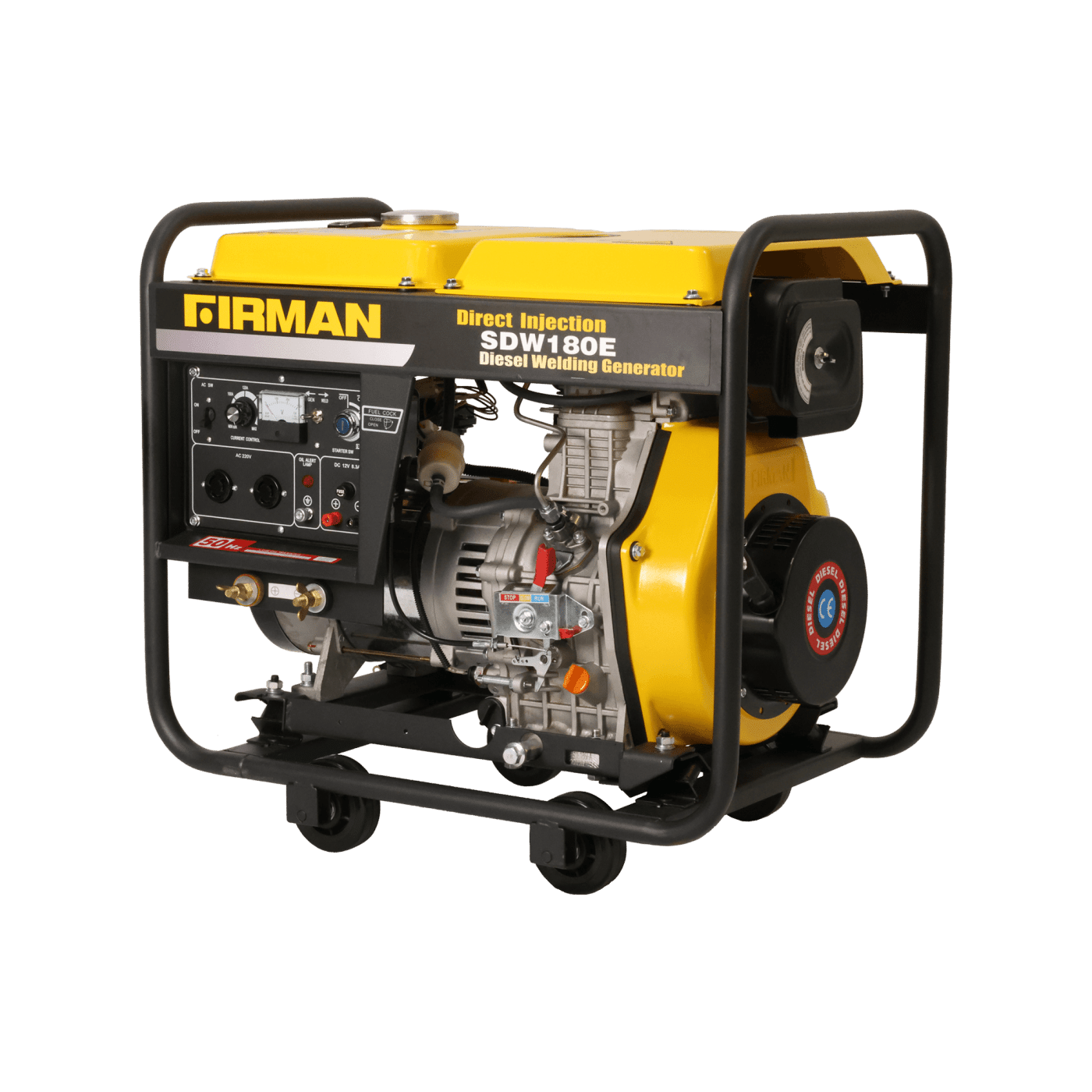
FIRMAN offers a broad range of power products, including diesel generator sets and other equipment for different commercial and industrial applications. This multi-category depth ensures consistent build quality and simplifies long-term maintenance tracking for plant managers.
Furthermore, a comprehensive product portfolio allows operations managers to scale their infrastructure seamlessly as energy demands increase over time. Dealing with a single trusted supplier reduces contract negotiation friction and streamlines logistics coordination significantly.
Can the Manufacturer Handle Africa's Operating Conditions?
Sub-Saharan operating environments test mechanical hardware with heavy dust, high ambient temperatures, and severe humidity during peak production seasons. Standard air filters clog rapidly, which can cause engine overheating if cooling systems are underdesigned for local thermal loads.
Depending on the model, generator specifications may include copper-wound alternators, enclosed canopies, or other design features suited to different operating requirements. Here at FIRMAN, we apply multi-step quality inspections during manufacturing, and its new models undergo continuous testing before production to identify potential areas for improvement.
Rugged field conditions also affect smaller job sites and mobile maintenance teams that cannot rely on permanent power lines. Enterprises evaluating petrol generators portable for unpaved roads should also consider wheel kits, steel frames, and resistance to transit vibration. Suitable frame and transport features can help protect equipment during movement over rough terrain, although handling and transport conditions should still be considered carefully.
Thermal management systems and advanced cooling designs remain critical when equipment operates continuously across multi-shift industrial cycles. Factories must simulate genuine regional stress factors rather than relying solely on mild laboratory testing protocols. Equipment endurance directly dictates lifecycle profitability for commercial operations facing harsh climatic challenges.
What Support Is Available After the Generator Is Delivered?
A multi-year warranty means very little if regional distributors lack basic replacement filters, belts, or voltage regulators when machines break down. Equipment downtime drains company revenue every single hour a production line sits dead waiting for overseas shipments. Sourcing machinery from qualified power equipment manufacturers ensures access to active local service networks and regional parts stocking.
A localized service network can help reduce the time required to obtain maintenance and replacement parts, supporting more efficient equipment servicing. Technicians need immediate access to replacement parts to keep ongoing business activities running smoothly without losing client trust. Maintenance readiness remains a core pillar of long-term operational success across decentralized industrial sectors.
Local operators can minimize user errors that shorten machine lifespans by establishing appropriate internal operating procedures and developing regional technical capacity. Investing in local technical capabilities helps protect capital assets from avoidable wear and tear caused by improper handling. Successful long-term deployments require continuous collaboration between factory experts and local service technicians to address operational issues, share technical knowledge, and support proper machine maintenance.
What Will the Equipment Cost Over Its Working Life?
Initial purchase price represents only a fraction of total equipment ownership costs over a multi-year operating lifecycle. Fuel efficiency, routine servicing overhead, and component longevity dictate true operational profitability for commercial facilities running continuous shifts. Selecting compliant machinery certified for electrical safety and emission control safeguards corporate reputations and worker welfare.
When comparing gas generators portable for temporary applications, businesses should also calculate fuel consumption against expected runtime. Careful financial planning secures maximum return on investment across unpredictable commercial operating cycles. Long-term operational stability relies on transparent pricing and durable mechanical design.
Total cost of ownership evaluations also encompass regulatory compliance and adherence to strict environmental emission limits. Certified production facilities protect corporate buyers from unexpected legal penalties and ensure worker safety across hazardous job sites. Comprehensive financial analysis transforms power infrastructure from a recurring expense into a predictable asset.
Does the Manufacturer Fit Your Industry?
Manufacturing plants, telecommunications networks, construction sites, and retail businesses do not share the exact same backup power profiles. A maize-milling plant requires continuous high-load operation, while a downtown telecom hub needs dependable emergency starting capabilities. Construction projects value mobility, whereas retail businesses focus heavily on protecting refrigeration, lighting, and security systems.
To avoid expensive mismatches in equipment purchases across different industries, it is wise to choose a business partner who is familiar with these operational subtleties. Our brand, FIRMAN, delivers versatile power solutions designed to meet the specific demands of each commercial domain. Reliable energy security provides the solid foundation needed for continuous business growth across dynamic markets.
Enterprises with complex power needs require suppliers who understand regional conditions and industry-specific load demands. The right partner should be able to provide suitable equipment, accessible spare parts, responsive technical support, and scalable solutions as energy requirements change.
Ultimately, choosing reliable power equipment manufacturers means looking beyond the factory price. Procurement teams should compare product range, engineering durability, local service capacity, regulatory compliance, fuel and maintenance costs, and industry-specific suitability. For African businesses, especially those operating under unstable grids or demanding field conditions, this broader evaluation can reduce downtime and improve the long-term value of every power investment.
What can we
help you find today?