A standby generator has one job: start when normal power is unavailable. That makes its maintenance schedule different from equipment that runs every day. The real question is how often service should happen when the machine may sit idle, then face demanding operation during a grid failure.
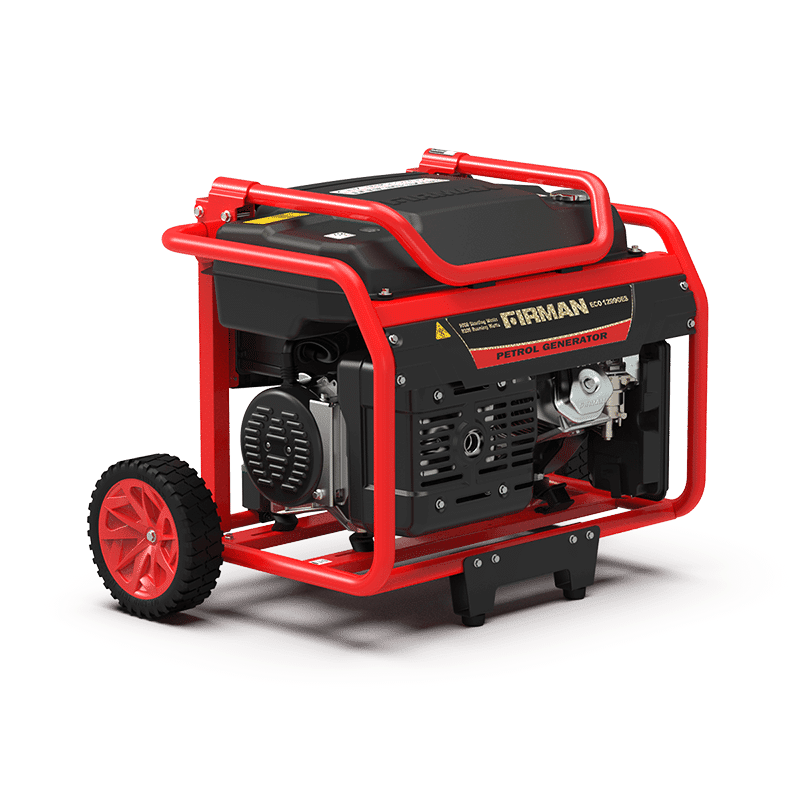
The service interval should follow the generator, not a generic calendar
The Service Interval Should Follow the Generator, Not a Generic Calendar
Our maintenance guidance points owners to the maintenance schedule in the owner’s manual. Service intervals depend on the machine and its operating pattern, so a generic “once a year” rule can be misleading for a commercial site.
For a B2B operator, generator maintenance should be treated as a planned cycle. Record running hours, completed work, faults, and unusual observations. This generator maintenance record should show when work was completed.
Professional guidance from PNNL also recommends following the manufacturer’s instructions and documenting maintenance. Its example checklist uses different frequencies for different components, showing why one service date cannot cover every task.
Monthly running is not the same as scheduled servicing
Monthly Running Is Not the Same as Scheduled Servicing
A standby unit can look healthy while sitting unused. That does not prove it will start correctly during an outage. We at FirmanFIRMAN recommend running the generator once a month with a load. The exercise is part of readiness, not a replacement for scheduled service.
Standby generator maintenance should therefore be planned alongside monthly exercising. The two activities have different purposes: exercising checks readiness, while scheduled maintenance addresses the machine’s condition and service items.
African conditions can make the calendar less reliable
African Conditions Can Make the Calendar Less Reliable
A generator in a clean commercial room does not necessarily face the same conditions as one near a dusty road, construction site, farm, mine, or workshop.A generator installed in a clean, controlled environment may face different maintenance needs from one exposed to dust, heat, or other harsh site conditions. Our FAQ warns that hot and dusty conditions can clog the air filter and increase engine wear. It recommends regular air-filter attention and a shaded, well-ventilated location.
That matters across many African operating environments. A business in Lagos, Accra, Johannesburg, or a smaller regional town may have different site conditions, but dust and heat can affect inspection needs. The answer is not to invent a shorter universal interval. Inspection should respond to the environment.
Heavy outage use changes the maintenance question
Heavy Outage Use Changes the Maintenance Question
A standby generator used for short monthly tests has a different workload from one that supplies a facility throughout a prolonged grid outage. Once operating hours rise, the maintenance plan needs to account for that additional use. Review generator maintenance needs whenever operating hours rise sharply.
For businesses operating in regions with unreliable grid supplies, generators often serve as much more than just "standby" powerFor businesses that experience frequent or prolonged outages, higher operating hours can require more frequent maintenance than a generator used only for occasional standby operation. At FirmanFIRMAN, we know that when generators are relied upon as a primary power source, they demand a little extra care—including oil checks before every use and a much more frequent maintenance schedule.
Site managers can make the schedule easier to manage by separating readiness checks from workshop service. A monthly exercise can confirm that the unit starts and carries a load, while the service plan handles oil, filters, cooling, fuel, electrical, and other model-specific requirements. Not every task belongs on the same date.
The same logic applies to multi-site businesses. A company operating several facilities should not assume that identical calendar dates mean identical maintenance needs. One site may have cleaner air, shorter outages, and fewer operating hours. Another may experience frequent power cuts and heavier generator use. Comparing actual records helps the maintenance team set priorities without replacing the manufacturer’s schedule.
What should make you service it sooner?
What Should Make You Service It Sooner?
Certain symptoms should move maintenance forward. Repeated starting difficulty, overheating, unusual noise, excessive vibration, visible fluid leakage, warning alarms, or unstable operation should not be ignored until the next scheduled appointment.
Fuel condition also deserves careful attention. At FirmanFIRMAN, we always explain that poor-quality or contaminated fuel can cause stubborn starting problems and serious engine damage over timePoor-quality or contaminated fuel can cause starting problems and engine damage over time. This is especially critical for businesses that store backup fuel for extended periods.
Build the schedule around actual site use
Build the Schedule Around Actual Site Use
The useful answer is a layered schedule rather than one fixed interval for most B2B sites. Check the machine routinely for visible problems and readiness. Run it monthly with a load. Follow the model-specific service intervals in the owner’s manual. Increase attention when operating hours or harsh environmental exposure increase.
PNNL’s maintenance example illustrates this approach: some checks are weekly or monthly, while other inspections and tests occur less frequently. It also recommends qualified personnel and documented maintenance.
The answer depends on more than the calendar
The Answer Depends on More Than the Calendar
So, how often should standby generator maintenance be performed? There is no responsible universal answer such as “every 12 months.” The manufacturer’s schedule should set the baseline, while monthly loaded operation, running hours, site conditions, and equipment symptoms determine whether additional attention is needed.
Our approach is to use the manual as the authority, keep the service history current, and treat harsh conditions or heavy use as reasons to reassess the schedule. That makes standby generator maintenance more practical than an arbitrary calendar rule.
For African operators, this distinction matters. A standby generator may spend most of the year waiting, yet its reliability is tested when the grid fails. Regular exercising, documented service, and quick response to abnormal conditions provide a stronger strategy than waiting for an annual date.
We see the same principle across commercial sites: standby generator maintenance works best when it reflects actual workload. A fixed date can organize the plan, but the machine’s manual, hours, environment, and condition should decide when service is due.
What can we
help you find today?