Staring at a newly delivered backup power unit often leaves facility managers bewildered by the dense block of technical abbreviations riveted to the chassis. kVA, kW, and Amps look like abstract mathematics, yet misreading them can lead to overloaded circuits, nuisance tripping, and damaged equipment—and, if protective devices are compromised, to fire risk during a blackout. Reading the rating plate alongside the owner's manual helps operators understand the generator's electrical limits and make more informed decisions about connected loads.
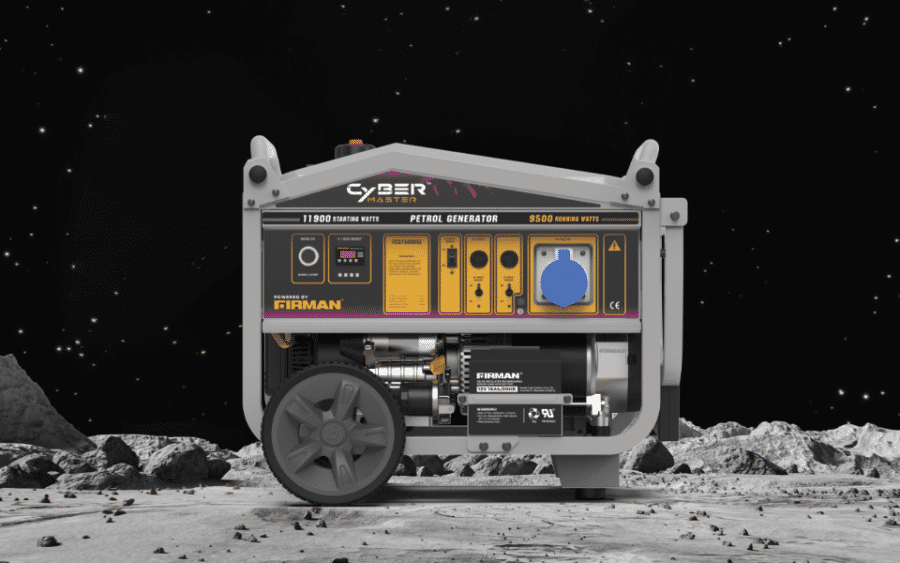
Many operators connect massive industrial loads based entirely on glossy promotional brochures instead of physical engineering limits. Reading the factory-stamped data correctly forms the absolute foundation of safe emergency power deployment across any compound. A deep dive into the official generator manual usually reveals exactly where to locate this crucial piece of hardware.
Every digit permanently engraved on that identification plate represents a hard, tested limit that cannot be negotiated. Recognizing the difference between theoretical capacity and actual working energy prevents expensive purchasing mistakes and catastrophic system failures.
Apparent Power and the kVA Illusion
Kilovolt-amperes (kVA) measure apparent power, which reflects the combined effect of voltage and current in an AC electrical system. The amount of real power available to operate equipment also depends on the power factor. Buyers mistakenly assume a 50 kVA machine delivers exactly 50,000 watts of usable energy directly to their household or business. Physics dictates that some electrical energy simply sustains the massive magnetic fields required to operate heavy inductive motors.
In AC systems, some current supports reactive power associated with magnetic and electric fields. This affects the relationship between apparent power and real power. When the power factor is below 1, the numerical value in kW is lower than the corresponding value in kVA. Industrial buyers in Accra or Johannesburg frequently oversize their equipment orders by misinterpreting this exact metric.
Commercial facilities calculating cooling loads based strictly on apparent power inevitably experience frustrating tripped breakers during peak business hours. Stripping away the kVA illusion uncovers the true working potential of your emergency backup plant. Relying solely on the apparent-power figure can lead to overestimating usable capacity, raising the risk of overload and underutilization of the generator’s real power capability.
Understanding Real Output in Kilowatts
Kilowatts indicate the true, measurable electrical power actively available to run your essential commercial applications. Finding this specific number on the placard tells you exactly how many servers or air conditioners you can operate simultaneously. Heavy backup machines generally operate on a 0.8 power factor, establishing a strict mathematical relationship between apparent and real power.
Standard 100 kVA systems actually deliver only 80 kW of real power capable of spinning motors or generating cooling. We ensure every Firman rating plate clearly distinguishes between apparent and real output to prevent disastrous facility overloading scenarios.
Property owners must strictly use the kW figure when adding up the continuous running loads of their specific facility appliances. Calculating loads using real power guarantees your critical infrastructure remains fully energized during unpredictable municipal grid collapses. Furthermore, verifying limits against your supplied generator manual completely eliminates dangerous operational guesswork during an emergency.
Current Draw and the Role of Amps
Amperage measures the actual volume of electrical current physically flowing through your copper wiring at any given exact millisecond. Large electric motors found in heavy manufacturing equipment or deep residential borehole pumps demand massive starting amps instantly. Distribution panel circuit breakers monitor this exact current flow continuously during intense daily operational cycles.
Breakers trip to interrupt overload and short-circuit currents before they can produce sustained overheating in conductors. They do not, however, protect against every electrical fire mechanism; other hazards such as arc faults may require additional protective devices. Reading the specified amps on your metallic plate ensures your local distribution cables can safely handle the electrical volume. Supplying current beyond the conductor’s ampacity through undersized wiring produces excessive I²R heating. The resistance itself does not increase with current; rather, the heat generated exceeds what the insulation and installation can safely dissipate, accelerating insulation degradation and fire risk.
For three-phase generators, distribute single-phase loads as evenly as practical across the phases and follow the manufacturer's limits for phase imbalance. Uneven loading can increase heating and affect voltage balance. We recommend having a qualified electrician check phase currents and generator specifications during installation and commissioning. Always match your facility distribution panel ratings perfectly to the maximum amperage listed on the factory identification tag.
Harmonizing Metrics for Tropical Climates
Operating heavy machinery under severe African heat could affect how these three electrical metrics interact with your connected load. High ambient temperatures reduce overall engine combustion efficiency, meaning you cannot safely run at maximum kW capacity constantly. Facilities operators must understand these physical limits perfectly to avoid stressing internal combustion components unnecessarily.
Maintaining stable voltage output requires pristine internal components free from excessive carbon buildup and mechanical friction. Routine visual inspections of the alternator housing prevent dust accumulation from suffocating the internal cooling fans. Keeping the engine running within its optimal thermal parameters maximizes fuel efficiency while preventing dangerous frequency drops.
Ignoring the strict mathematical relationship between kVA, kW, and Amps directly accelerates internal mechanical wear during prolonged national grid collapses. Proper generator maintenance slows the rate at which output performance degrades and helps keep the unit operating closer to its rated envelope. It cannot, however, prevent ageing-related losses entirely; progressive de-rating is a normal long-term phenomenon that maintenance can delay but not eliminate.
Operational Discipline and Hard Limits
Facility managers hold the ultimate responsibility for translating these stamped numbers into strict operational boundaries for their compounds. Every single appliance added to the local circuit must earn its place by fitting safely within the documented kW and amperage limits. Exceeding these hard boundaries intentionally invites thermal degradation, wiping out the substantial financial investment required to secure off-grid independence.
Installing professional digital load meters across your distribution board provides critical visibility into sudden electrical surges. Operators can instantly see if a failing air conditioning compressor is drawing abnormal current that threatens the main breaker. Proactive load management eliminates the dangerous practice of running machinery at absolute maximum capacity.
Our engineering teams at Firman design intelligent control panels making reading and monitoring these critical electrical specifications incredibly straightforward. Protecting your facility against sudden municipal voltage spikes means intentionally leaving a safe twenty percent power margin completely unutilized. Consistent maintenance supports continued operation closer to the nameplate ratings and reduces the likelihood of premature derating, but it does not guarantee that those figures remain completely accurate indefinitely. Nameplate values describe performance under specified conditions; ageing, wear, and cumulative operating hours all affect how closely a generator continues to meet them.
Trusting the stamped factory mathematics always outperforms guessing power requirements during severe regional load shedding events. Referencing the technical specifications in your generator manual provides additional clarification on how extreme humidity impacts stated power. Let the official metal rating plate completely dictate your daily operational boundaries to ensure uninterrupted structural resilience with your backup equipment.
What can we
help you find today?