A diesel generator usually gives some warning before it stops working. Starting may become difficult. The engine may run unevenly, lose power, overheat, or produce unusual smoke. These changes are easy to overlook when the generator is still running.
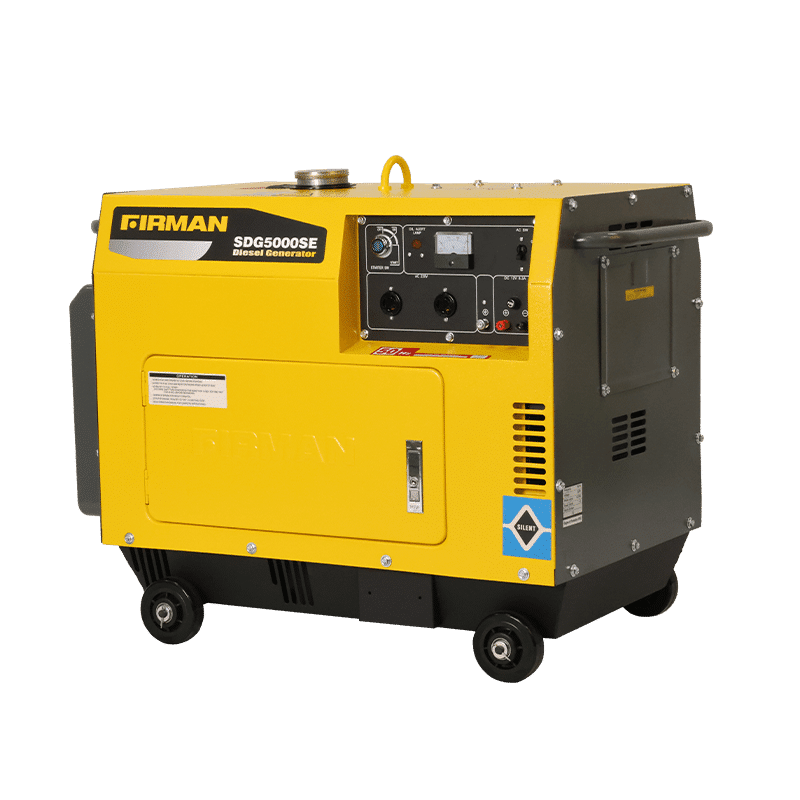
Paying close attention to early warnings is essential, as most generator issues originate from basic operating environments. Dust, heat, low-quality fuel, restricted filters, heavy loads, and late servicing are frequent offenders. This is especially true across various African markets, where units must endure extended operating hours powering retail shops, workshops, farms, and active construction sites.
Knowing what to check can prevent a minor fault from becoming a major repair.
A Diesel Generator Usually Shows Trouble Before It Stops
A starting problem does not always point to a serious engine fault. Low battery power, insufficient fuel, a blocked filter, or contaminated diesel may be enough to stop the engine from starting normally. The same applies to power loss. The cause may be as simple as excessive load or restricted airflow.
Our technicians and operators start with the basic checks before looking for a more complicated fault. Fuel, oil, battery condition, filters, connections, and load should all be checked when the generator behaves differently from normal.
That simple order of inspection can save time. It also gives the service technician useful information if further repair is needed.
Starting Problems Often Begin Before the Start Button
A diesel engine needs clean fuel, enough air, proper lubrication, and a functioning starting system. A problem in any of these areas can make starting difficult.
Fuel deserves particular attention. Water or contamination in diesel can cause starting problems and may damage engine components over time. Fuel should come from a dependable source and be stored properly.
The battery is another common point of failure on electric-start models. Loose or dirty terminals can interfere with starting. Filter condition also matters. If basic checks do not solve the problem, further work on the fuel injection or electrical system should be left to a qualified technician.
Fuel and Filters Decide More Than Many Operators Expect
A generator can continue running with poor fuel for some time, which makes fuel-related problems easy to miss. The damage may appear later as difficult starting, rough operation, or reduced engine performance. FirmanFIRMAN 'generators require clean, high-quality fuel for reliable starting, stable operation, and proper engine performance.
s official guidance identifies poor-quality or contaminated fuel as a possible cause of starting problems and engine damage.
Air and fuel filters need the same attention. A dirty air filter restricts airflow. A blocked fuel filter limits fuel supply. Either condition can affect engine performance.
Frequent users should keep filter inspection on the maintenance schedule. Operators working in dusty areas may need to pay closer attention to filter condition than users operating in cleaner environments.
Heat, Dust, and Blocked Airflow Put the Engine Under Pressure
Heat and dust are familiar challenges across many African operating environments. High ambient temperatures leave less room for the cooling system to manage additional heat. Dust can collect on filters and around ventilation areas, reducing airflow.
The official maintenance guidance notes that hot and dusty conditions can clog the air filter and increase engine wear. It also recommends keeping the generator in a shaded, well-ventilated location and keeping airflow openings clear.
Overheating should never be ignored. Rising temperature, declining output, unusual engine behavior, or repeated shutdowns call for inspection. Running the machine harder will not solve the underlying problem.
A Generator Can Struggle Even When the Load Looks Normal
Running wattage does not tell the whole story. Motors, compressors, pumps, and air-conditioning equipment can draw a much higher current when they start. A generator that handles the normal running load may still struggle with the starting demand.
Load planning should include both running and starting requirements. Leaving some spare capacity also gives the generator more room to handle changes in demand.
This matters on construction sites and in workshops where several machines may operate together. Adding another motor to an already heavily loaded generator can create problems that were not present during normal operation.
Small Warning Signs Should Change the Maintenance Routine
Operators often notice changes before anyone else does. A new vibration, unusual noise, smoke, leakage, rising temperature, or drop in output deserves attention.
Exhaust smoke can also provide clues. Black smoke may be linked to overloading, restricted air supply, or excessive fuel. White or blue smoke can point to different engine or fuel-related conditions.
There is no advantage in waiting for a complete breakdown. Serious symptoms should be investigated, and the generator should be stopped when continued operation could cause further damage. A short maintenance interruption is usually easier to manage than an unexpected failure during a critical job.
Prevention Starts With How the Generator Is Operated Every Day
Routine checks do not need to be complicated. Oil level, fuel condition, filters, ventilation, connections, and load should be part of normal operating practice. The owner's manual should remain the main reference for maintenance intervals and procedures.
Storage also requires proper maintenance. FIRMAN generators that remain unused for extended periods should be operated periodically under load to help maintain reliable performance and keep the engine and system components in proper working condition.
Storage also needs attention. A generator that sits unused for long periods should not simply be left untouched. FIRMAN's guidance recommends periodic operation with a load for stored generators.
The same thinking applies to service support. Keep the model and serial numbers, purchase records, and service information available. If professional help is needed, these details make it easier to identify the equipment and arrange the right support.
When it comes to evaluateFor power equipment manufacturers, reliability also depends on the operating environment, maintenance requirements, fuel, load, and available service networkreliability does not end when the machine leaves the factory. The operating environment, maintenance habits, fuel, load, and service network all affect the equipment's working life. Buyers in Africa should consider these factors before choosing equipment for long-term commercial use.
Through our official channels, wWe supply comprehensive product and after-sales resources, while partnering with local distributors and service networks to ensure you receive hands-on, practical support after your purchase.
A diesel generator does not need complicated treatment to avoid every problem. It needs clean fuel, suitable loads, adequate airflow, regular inspection, and timely maintenance. Operators who pay attention to small changes give the machine a much better chance of staying reliable when the power is needed.
What can we
help you find today?