Navigating the sprawling halls of the Guangzhou exhibition complex overwhelms even veteran procurement managers. African importers face significant commercial risk when sourcing backup electrical solutions for regions with severe grid instability. Securing a reliable supply chain requires moving past flashy booth designs to rigorously interrogate the machinery on display.
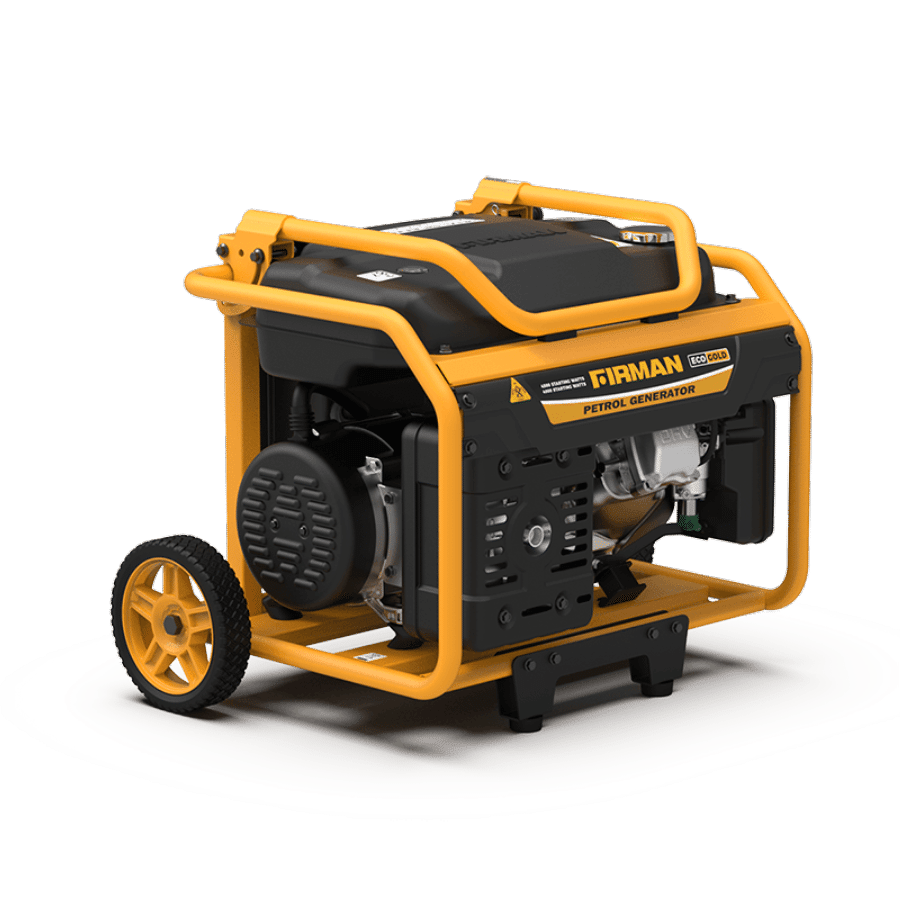
Procuring quality generators demands a structured, ruthless inspection strategy right on the show floor. Identifying long-term partners means separating true industrial engineering from superficial trade show marketing tactics.
Spotting True Factory Capability
Hundreds of booths display seemingly identical machines under blinding stadium lights. Confirming the supplier’s actual supply-chain role—whether it manufactures in-house, integrates partner factories, or operates as a trading company—is a more useful priority than assuming that a factory is inherently better. What matters is whether the role is disclosed clearly and whether the supplier can execute on your specific order profile. A genuine factory usually displays a highly focused product catalog rather than a scattered assortment of unrelated consumer electronics and hardware tools.
Ask highly specific technical questions about engine displacements or compression ratios to test the sales representative. Specific technical questions about engine displacement, compression ratio, or production processes are more revealing than asking “Are you a factory?” Suppliers who genuinely control production can typically explain how and why a given configuration is chosen; those who cannot may warrant further verification of their supply-chain role.
The Visual Inspection Protocol
Physical inspection reveals underlying manufacturing standards long before any engine actually starts running. Conduct on-site inspection to check for obvious cracks and missed welds on the welding seams, as well as the loose parts and neat assembly of components; performance and durability need to be verified by combining test reports, prototype tests and factory quality records. Thick anti-vibration rubber mounts indicate a strict engineering focus on minimizing long-term mechanical fatigue during heavy daily load shedding.
Flimsy fuel tank seams or poorly aligned control panels quickly expose factories cutting corners on assembly. Robust exterior construction usually mirrors the hidden internal mechanical integrity of the machine.
Interrogating the Technical Specifications
When we evaluate a portable generator, we look beyond its maximum starting watts. We also check its rated running watts against the continuous power needs of the equipment it must support. Force the exhibitor to clarify the exact continuous wattage ratings under harsh tropical ambient temperatures. African environments require quality generators capable of sustaining heavy inductive loads from water pumps and large compressors without overheating.
For applications involving sensitive electronic equipment, ask the supplier for relevant power-quality specifications, including total harmonic distortion (THD) where available. We recommend comparing these specifications with the requirements of the intended equipment rather than assuming that all portable generators provide equivalent power quality.
Verifying Multi-Fuel Adaptability
Petrol scarcity frequently paralyzes local businesses across major West African commercial hubs like Lagos and Accra. Exploring dual-fuel or tri-fuel capabilities provides your distribution network with massive, undeniable competitive advantages. Ask the booth engineers exactly how their carburetors handle fluctuating, localized liquefied petroleum gas pressures.
Ask how the gas fuel system is regulated. Dedicated or factory-integrated gas systems typically include purpose-matched regulators and mixers, whereas aftermarket conversion kits vary widely in regulator quality and mixer sizing. Conversion kits can be legitimate for switchable applications, but their reliability depends heavily on proper regulation; low-quality kits are associated with unstable power, engine surging, and safety risks. Seamlessly switching fuels ensures uninterrupted power generation regardless of sudden regional fuel supply chain breakdowns.
Validating Component Supply Chains
Brilliant technical specifications mean absolutely nothing if replacement parts take three months to reach your warehouse. Robust after-sales support is a major competitive determinant for generator brands operating across Africa, alongside pricing, distribution, and financing. Demand a comprehensive breakdown of their spare parts availability, warranty claim procedures, and technical diagnostic support.
Finding a supplier willing to ship critical service kits alongside your main container order prevents catastrophic downtime. Reliable servicing infrastructure builds unshakeable brand loyalty among commercial users facing daily blackouts.
Prioritizing Localized Aftermarket Support
We constantly emphasize this logistical reality during every major commercial client consultation. At Firman, our global distribution strategy prioritizes immediate localized access to essential maintenance components like air filters and spark plugs. Partnering with suppliers who ignore aftermarket infrastructure inevitably destroys your local brand reputation during the first major blackout season.
Rapid access to replacement parts must remain a strictly non-negotiable term during your initial sourcing negotiations. Continuous operational uptime depends entirely upon rapid mechanical servicing and immediate component replacement.
Securing Favorable Commercial Terms
Negotiating effectively on the exhibition floor requires understanding the hidden logistical costs of international shipping. Always clarify whether a quoted price is Ex-Works or FOB before calculating landed margins, as these terms materially affect the total cost of ownership.
Requesting mixed-model trial containers helps accurately test regional market acceptance before ever committing to massive minimum order quantities. Smart negotiations protect vital capital reserves during market testing.
Recognizing the Cost of Cheap Machinery
Established power equipment manufacturers face significant raw material expenses, making suspiciously low quotations a massive red flag. Suspiciously low quotations are a red flag worth investigating. A common cost-down measure in the generator market is the use of copper-clad aluminium (CCA) windings in place of full copper, which increases resistance, heat, and the risk of winding failure under load. Importers should verify winding material rather than assuming that a low price necessarily reflects a specific compromise—but should treat price levels that are far below market as requiring closer due diligence. Protecting your capital investment means actively walking away from booths pushing cheap pricing over proven mechanical durability.
Professional importers know perfectly well that extreme bargain hunting often leads directly to disastrous operational failures. Paying fair market value guarantees enduring performance under punishing conditions.
Navigating the Sourcing Aftermath Successfully
Leaving the exhibition complex simply marks the immediate beginning of the actual procurement workflow. Sort your collected business cards and brochures directly back at your hotel while the technical conversations remain completely fresh. Send detailed follow-up emails requesting formal proforma invoices and official factory audit documents within three business days.
Consolidating required sample requests through a single local inspection agent saves thousands of dollars in international courier fees. Moving quickly secures your production slot ahead of slower international competitors.
Delivering Final Operational Resilience
Building an incredibly resilient supply chain requires securing quality generators through uncompromising standards and rigorous physical verification. Our engineering team knows exactly what severe daily utilization does to inferior equipment facing unpredictable municipal voltage fluctuations. Supplying your local market with thoroughly vetted machinery guarantees absolute operational continuity for every single end user relying on your judgment.
Verifying engineering quality through specifications, factory evidence, and after-sales terms is more reliable than relying on brand association alone. Sourcing decisions made on that basis can reduce operational risk for the businesses that depend on your supply.
What can we
help you find today?